Dana Schmitt · 5 September 2026
How Ivy Enhances Biodiversity Corridors in Britain's Growing Cities
Urban expansion across Britain continues to reshape landscapes, yet researchers have documented how common ivy creates functional connections between fragmented green spaces in these environments, and data from multiple surveys shows these plants support insect populations along with bird species that rely on continuous habitat patches for movement and foraging.
Ivy Growth Patterns in Expanding Urban Zones
Studies conducted in cities such as London, Manchester and Birmingham reveal that ivy establishes rapidly on walls, fences and derelict structures where soil remains limited, while this climbing habit allows it to form vertical corridors that link ground-level parks with rooftop gardens and railway embankments, and figures released by urban ecology teams indicate ivy coverage has increased by measurable percentages in areas undergoing residential development since the early 2020s.
Observers note that ivy tolerates shade and pollution levels common in dense districts, so it persists where other vegetation struggles, and this resilience helps maintain year-round foliage that provides shelter during winter months when deciduous trees lose their leaves.
Wildlife Support Through Connected Habitats
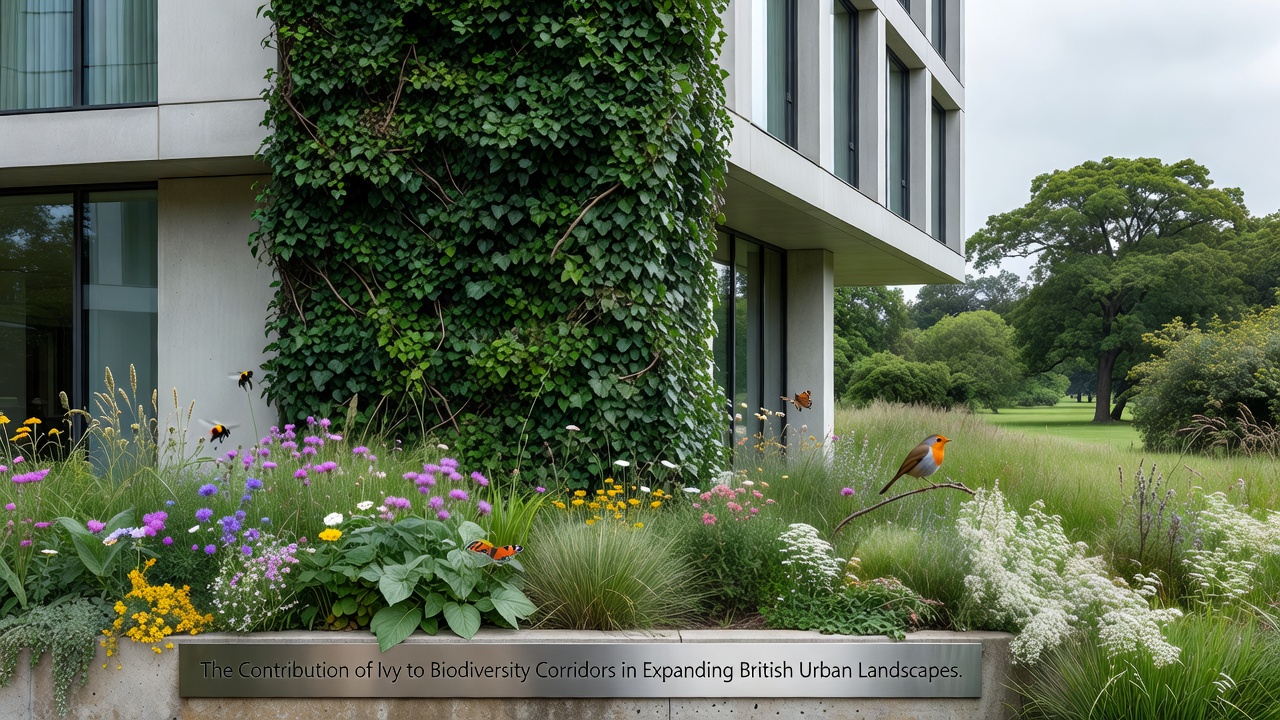
Insects including bees, hoverflies and butterflies use ivy flowers that bloom late in the season, and research indicates these resources become critical when other nectar sources decline, whereas birds such as blackbirds and wrens build nests within the dense leaf layers while also consuming berries that ripen through autumn and into winter.
Evidence from field monitoring shows small mammals traverse ivy-covered routes that cross roads and railways, and such pathways reduce isolation between populations that would otherwise remain separated by built infrastructure.
Data on Corridor Effectiveness
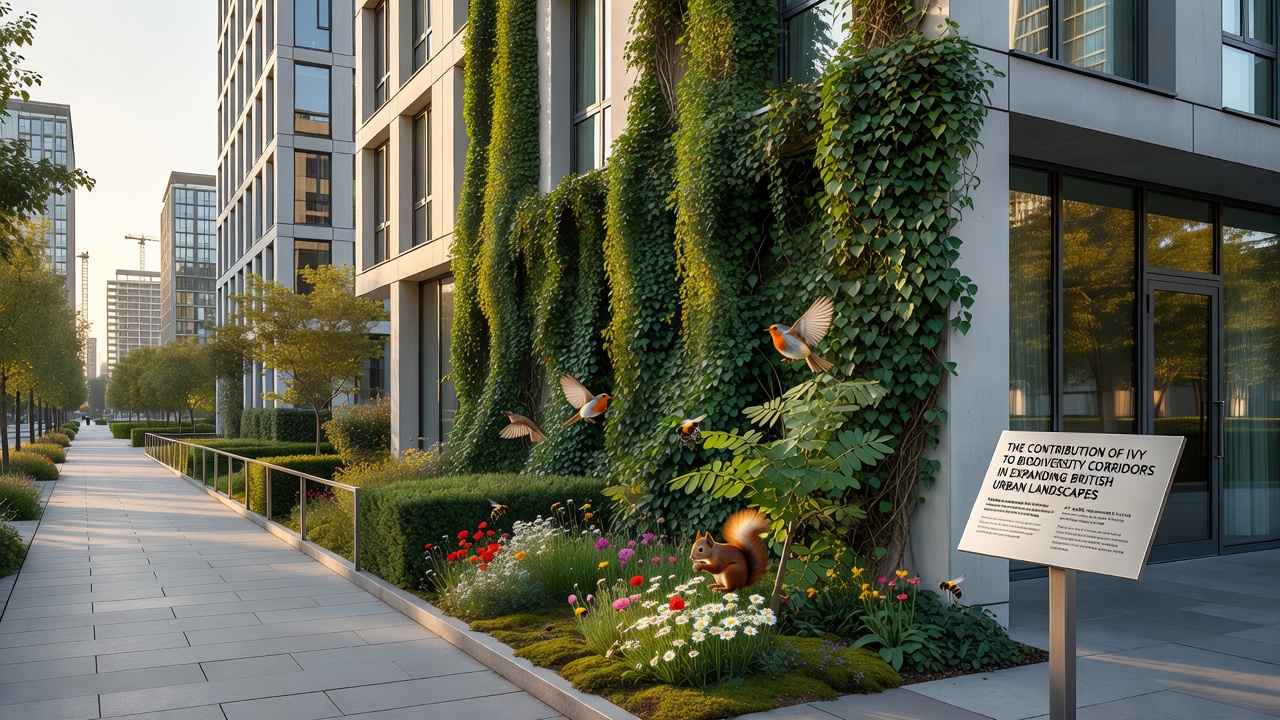
Reports compiled by regional conservation groups demonstrate that sections of ivy along linear features such as canals and cycle paths increase species diversity compared with bare walls or mown verges, and measurements taken in September 2026 will update these baselines with fresh transect counts across expanding suburbs in the Midlands and southeast England.
One long-term project tracked bat activity along ivy-lined routes and recorded higher foraging rates where coverage exceeded certain thresholds, while similar patterns appear in data from insect traps placed at intervals through residential zones.
Integration With Planning and Maintenance Practices
Local authorities have begun incorporating ivy into biodiversity net gain calculations for new housing developments, and guidelines from bodies such as Natural England outline methods for retaining or planting ivy to meet habitat connectivity targets, whereas private landowners receive advice on managing growth without compromising building integrity.
Training programmes run by horticultural organisations teach identification of beneficial ivy species versus invasive varieties, and this distinction matters because only native Hedera helix contributes fully to the food webs observed in British urban studies.
Future Monitoring and Policy Directions
Academic teams from several universities continue to model how ivy corridors might expand under different climate scenarios, and projections suggest increased urban temperatures could extend the growing season for these plants, thereby lengthening the period when berries and shelter remain available to wildlife.
Policy documents scheduled for discussion later in 2026 will examine whether incentives for ivy retention on commercial properties could strengthen city-wide networks, and early drafts reference existing successes in European cities where similar approaches have produced measurable gains in pollinator numbers.
Conclusion
Records from across Britain confirm that ivy contributes measurable value to biodiversity corridors within expanding urban areas through habitat provision, seasonal resources and physical connectivity, and ongoing surveys including those planned for September 2026 will supply updated evidence to guide future management decisions by planners and land managers.